

Understand the Bible, Israel, and the Jewish roots of your faith.
Our articles help you reconnect with the Jewish world of Scripture, the land of Israel, the biblical feasts, current events, and the promises of God that still matter today.
Read along, ask better questions, and see the story more clearly.
Search Articles
Find the topic, question, or passage you’re looking for.
Search our articles by topic, guest, Scripture, season, or current event. Whether you’re learning about Israel, the Jewish roots of Christianity, biblical feasts, prophecy, Hebrew words, or the world of Jesus, this is a place to keep digging.

The Fall Feasts and the End of the Age
Let’s look at the prophetic nature of the fall feasts of Israel -- we begin with the Feast of Trumpets or as it is referred to today as Rosh Hashanah (Scripture does not originally call it Rosh Hashanah, although that name and its associated traditions became established in later Judaism). We will stick with the Biblical designation: Yom Teruah / Feast of Trumpets.

What’s Shaking?
That is when fear begins to rise, because many people assume stability is normal and shaking is the interruption. Scripture teaches us to see the world differently. Everything man builds has an expiration date. Every empire, institution, throne, economy, military power, and human system will eventually be tested. The Bible never tells us to find our deepest security in the strength of the nations. It teaches us to listen to the voice of God when the nations begin to shake.
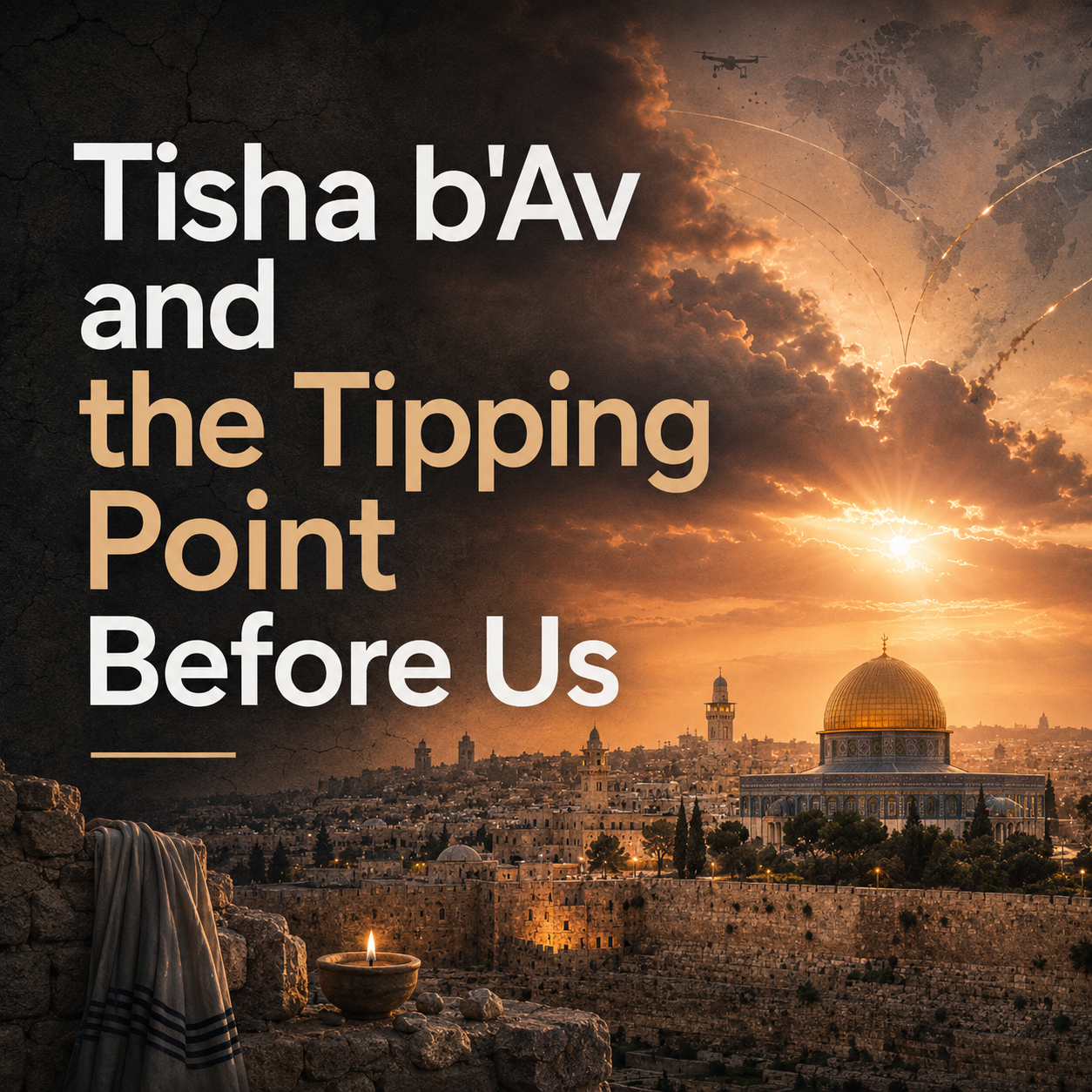
Tisha b’Av and the Tipping Point Before Us
Tisha b’Av remembers the destruction of Jerusalem’s Temples, but it also speaks to Israel’s present danger. In this Jewish Road reflection, we connect Israel’s ancient mourning to today’s threats from Iran, Hezbollah, and shifting global powers, helping Christians discern the times, pray for Jerusalem, and stand with the Jewish people.
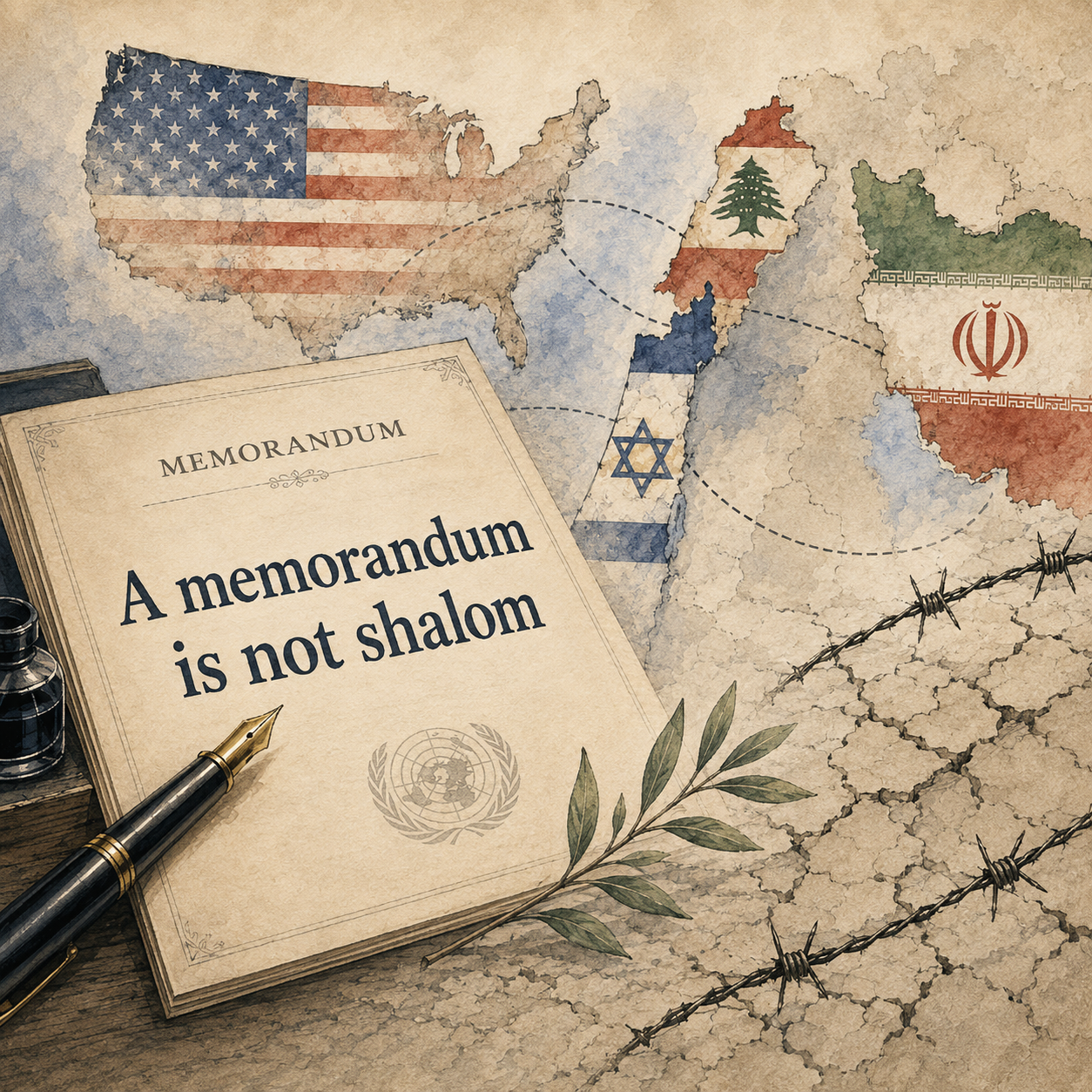
A Memorandum Is Not Shalom
A theo-political reflection from The Jewish Road on the U.S.–Iran memorandum, Israel’s security, Hezbollah, and why Christians must discern the difference between temporary quiet and true biblical shalom. We look at the headlines through Scripture and ask: What is God showing us?
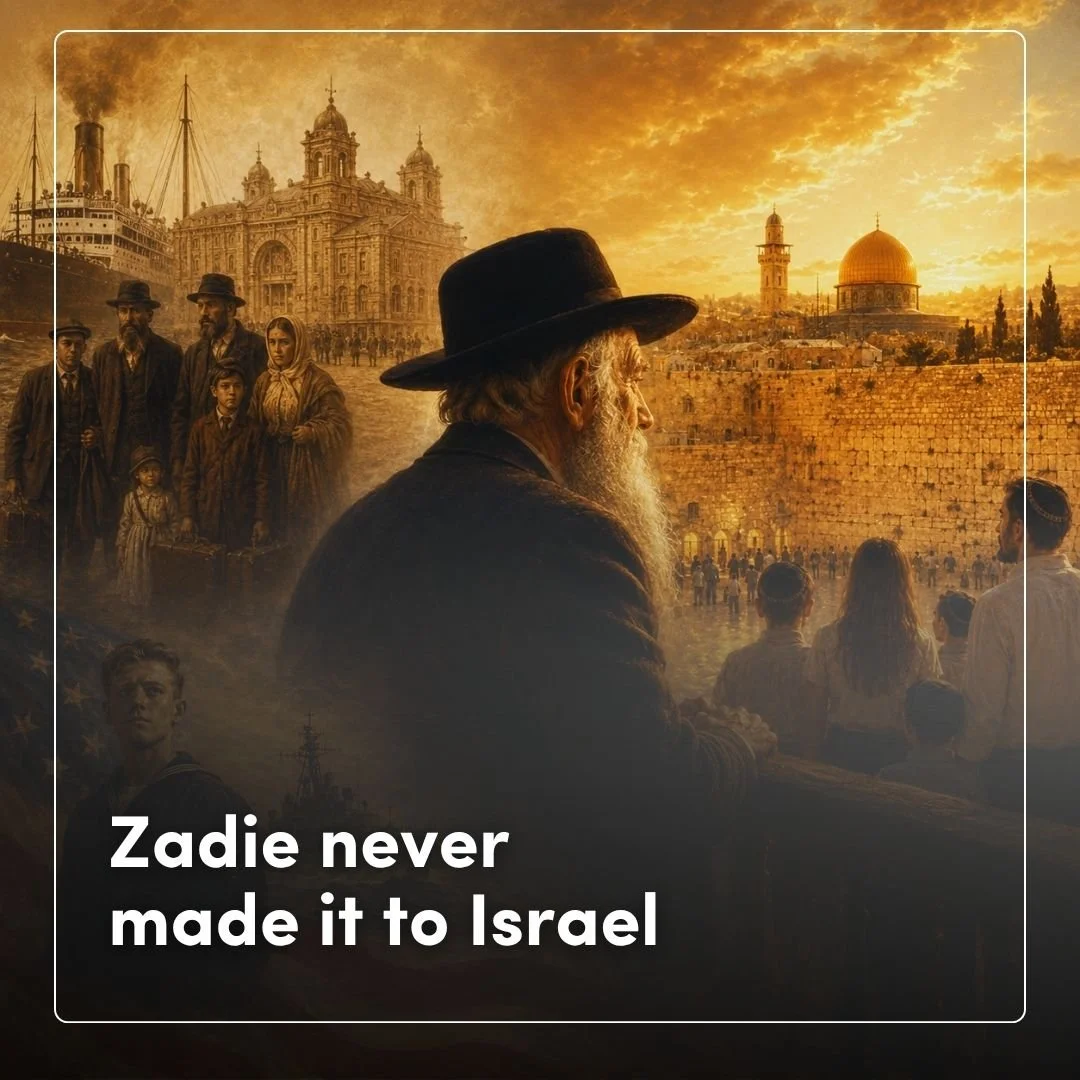
Zadie never made it to Israel
All four of my grandparents came to the United States as teenagers before World War I. They came through Ellis Island. They were orthodox Jews and each came alone escaping Pogroms in Eastern Europe and Russia. They left the rest of their families back home in Russia, Poland, and Lithuania. They hoped to make a new life in America and that the rest of the families would follow. Unfortunately, only a couple made it before World War II broke out and the rest of the family was lost in the Holocaust.
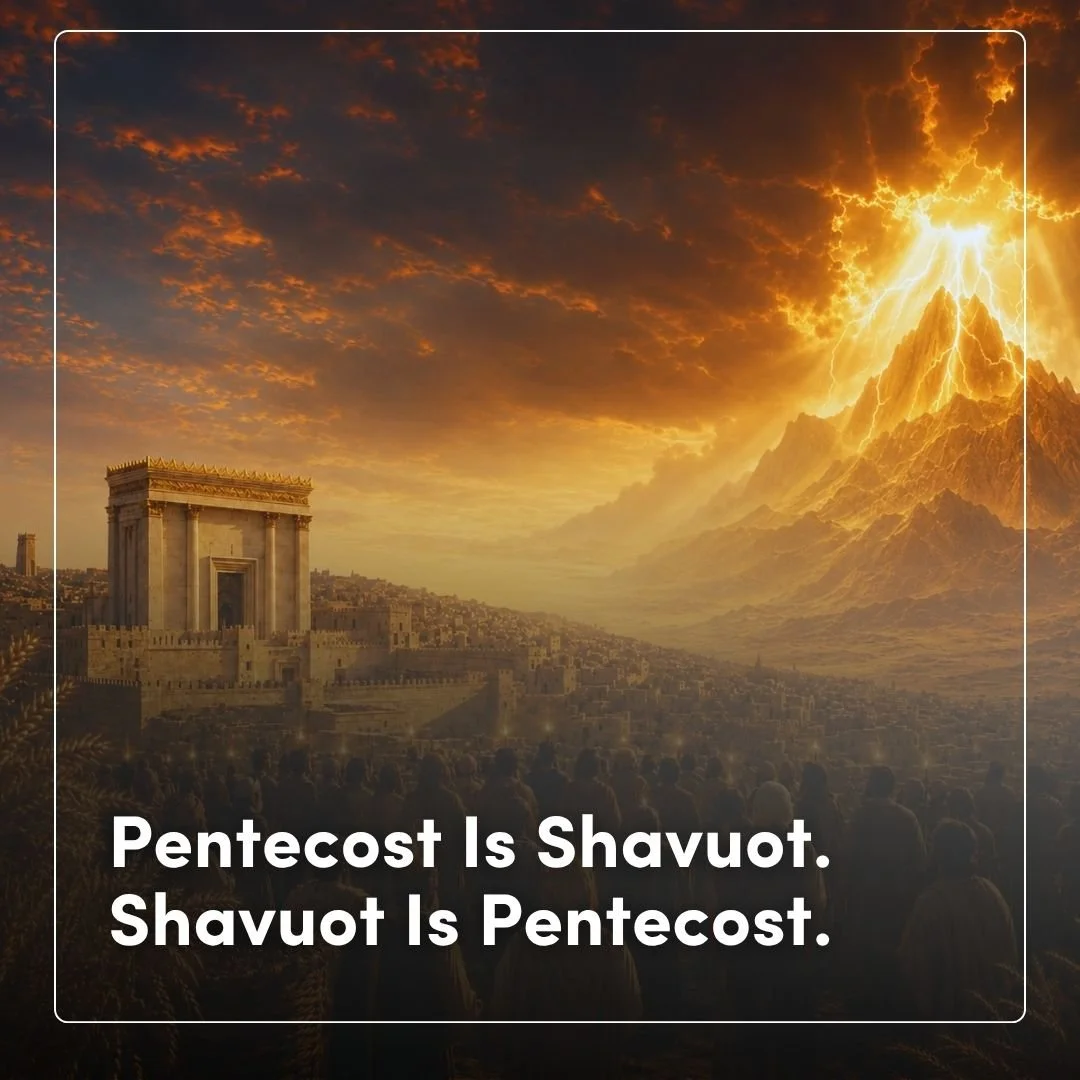
Pentecost Is Shavuot. Shavuot Is Pentecost.
We often use different words, follow different calendars, and celebrate different traditions. But underneath those differences is a shared biblical foundation, and in this case, both friends are standing on the same appointed time of God.
Pentecost is the Feast of Weeks, which in Hebrew is Shavuot. Shavuot is Pentecost. And it carries very significant meaning for both Christians and Jews.
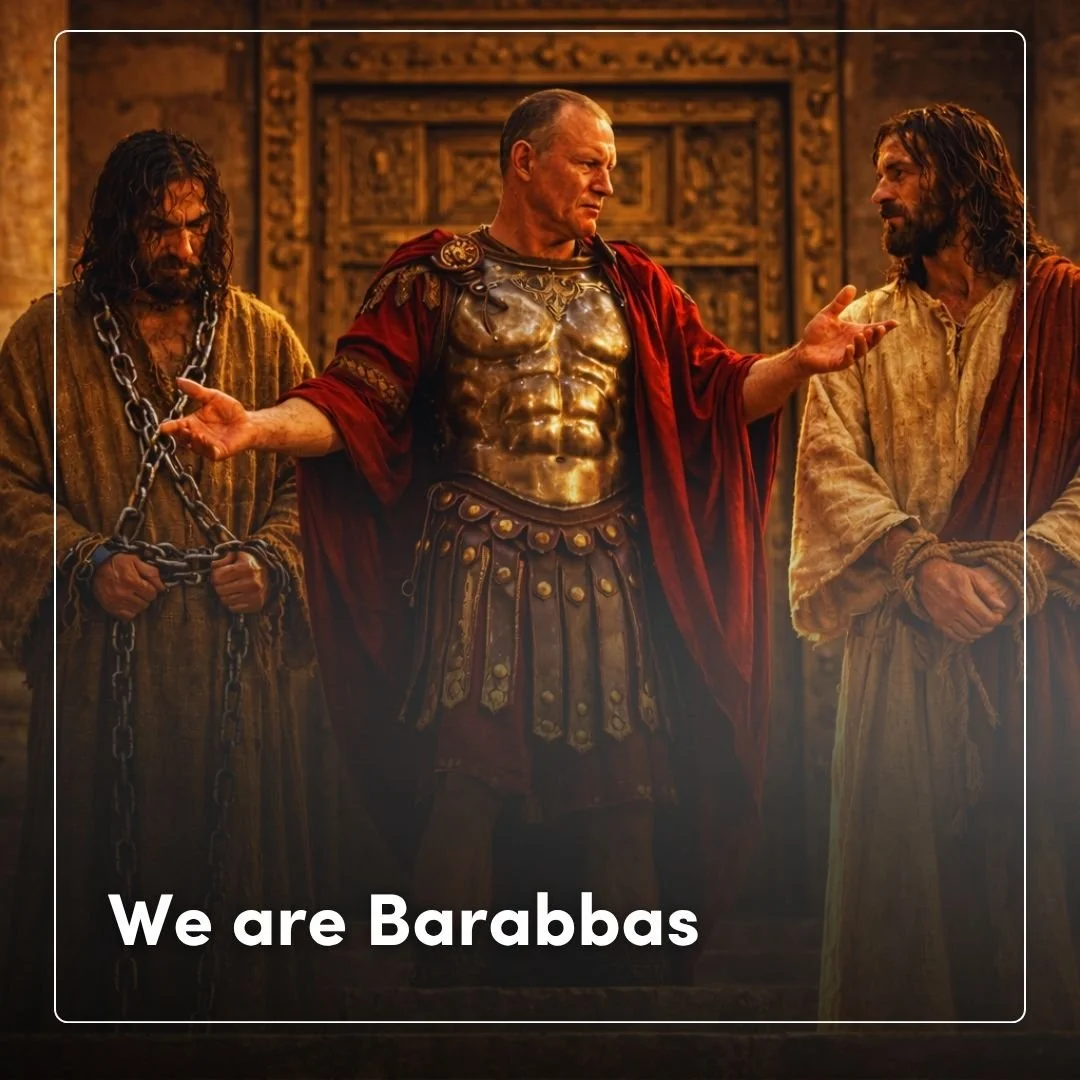
We are Barabbas
Discover the meaning of Barabbas in the Bible and his connection to Jesus’ trial. Explore how Leviticus 16, the scapegoat, and Yom Kippur reveal a deeper pattern of atonement, where the guilty are set free and the innocent is sacrificed during Passover in Jerusalem.
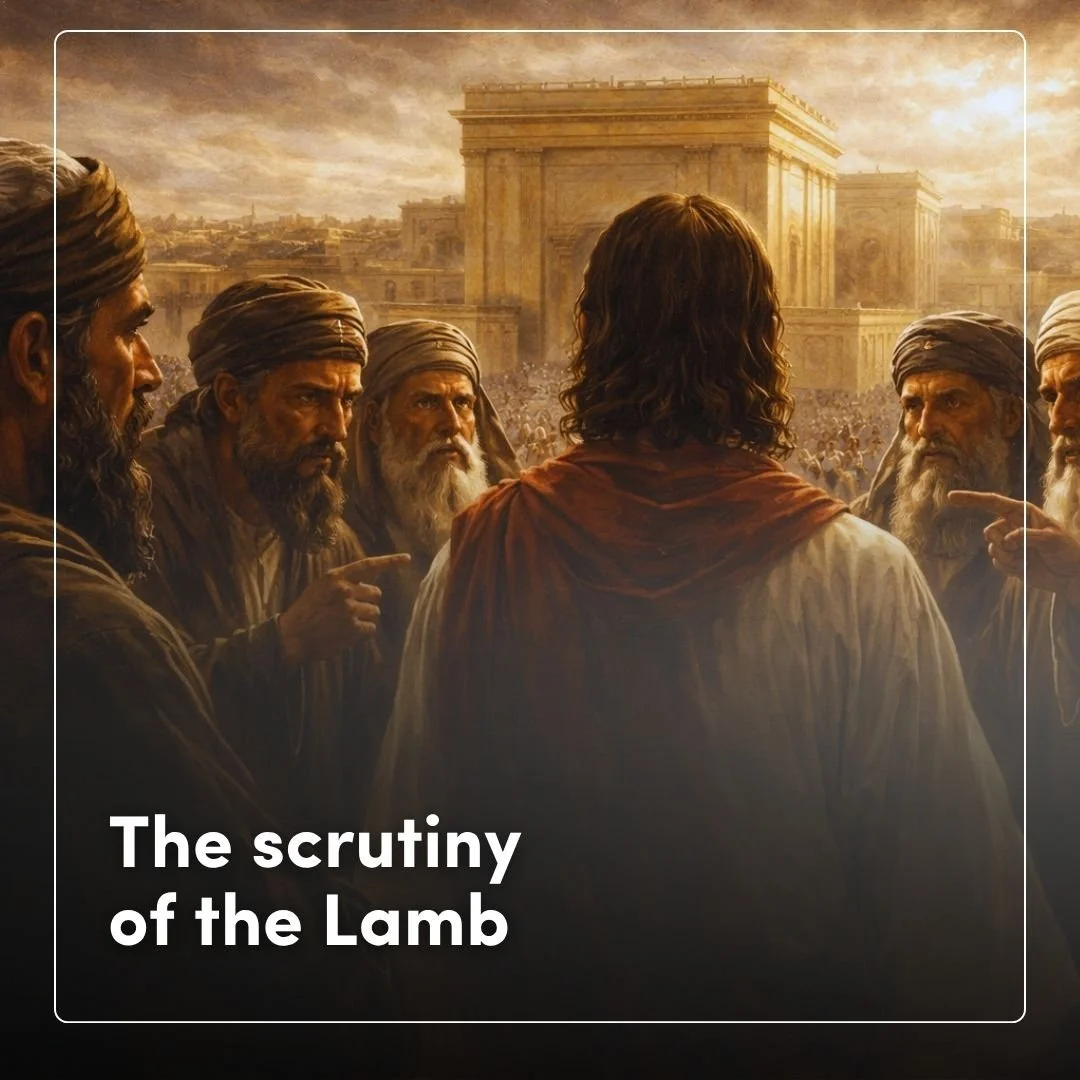
The scrutiny of the Lamb
Explore the “scrutiny of the Lamb” during Passion Week—how Jesus was tested in Jerusalem between Palm Sunday and Passover. See the Exodus pattern of selecting, examining, and sacrificing the Lamb, and how every question confirmed His authority, innocence, and role as Messiah.
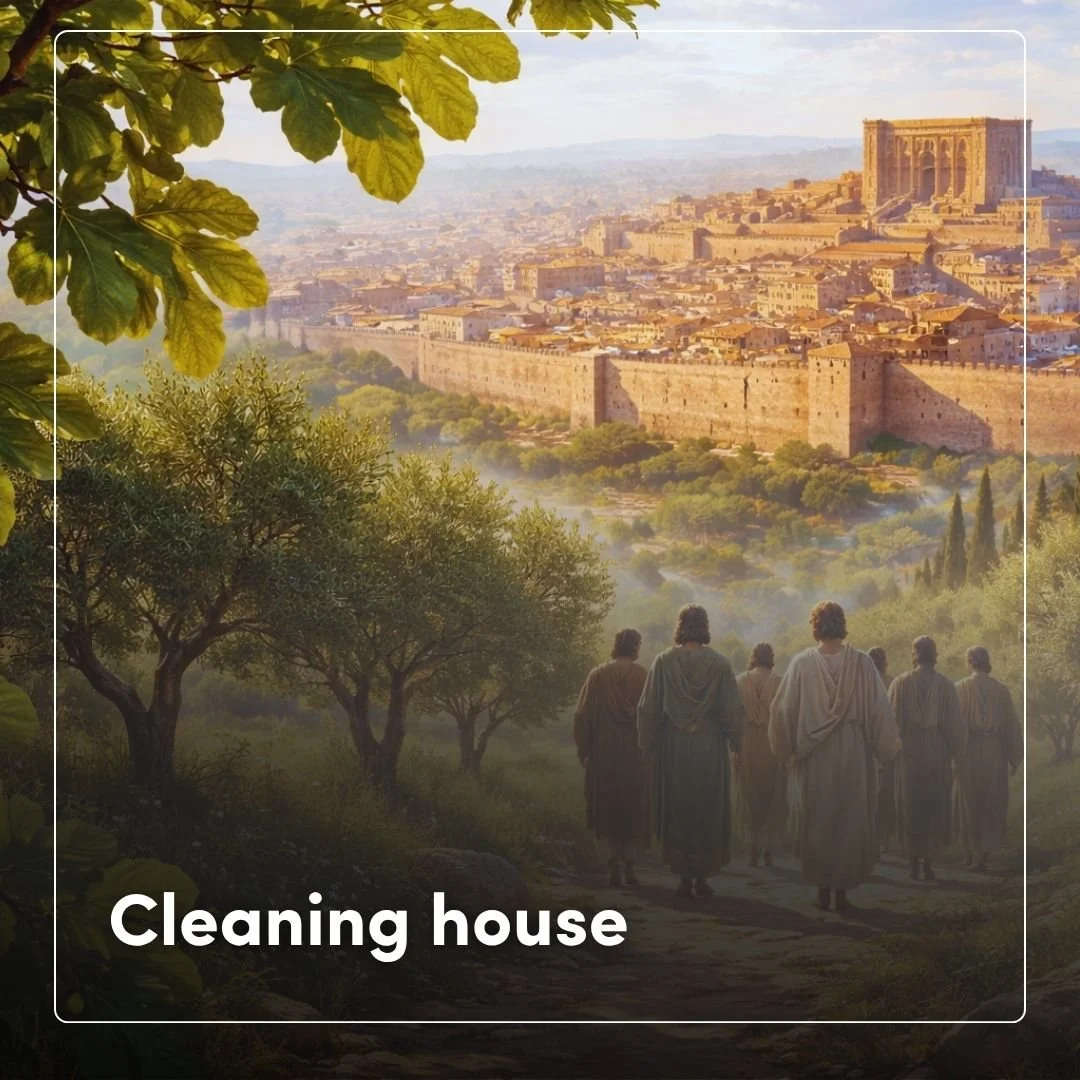
Cleaning house
Explore the connection between Passover, chametz, and Jesus cleansing the Temple. Discover how the fig tree, leaven, and the Passover Lamb reveal deeper meaning in Holy Week, rooted in Jewish context, Scripture, and the story of redemption in Jerusalem.

Waving palm branches and still missing the moment
Palm branches, in that setting, carried a very specific meaning. They pointed to the presence of God among His people. They were tied to joy, yes, but not just any joy. They were tied to the joy of God drawing near. The hope of Sukkot looked forward as well as backward. It was not only about remembering the wilderness. It was about anticipating a day when God would once again dwell with His people in a full and lasting way.
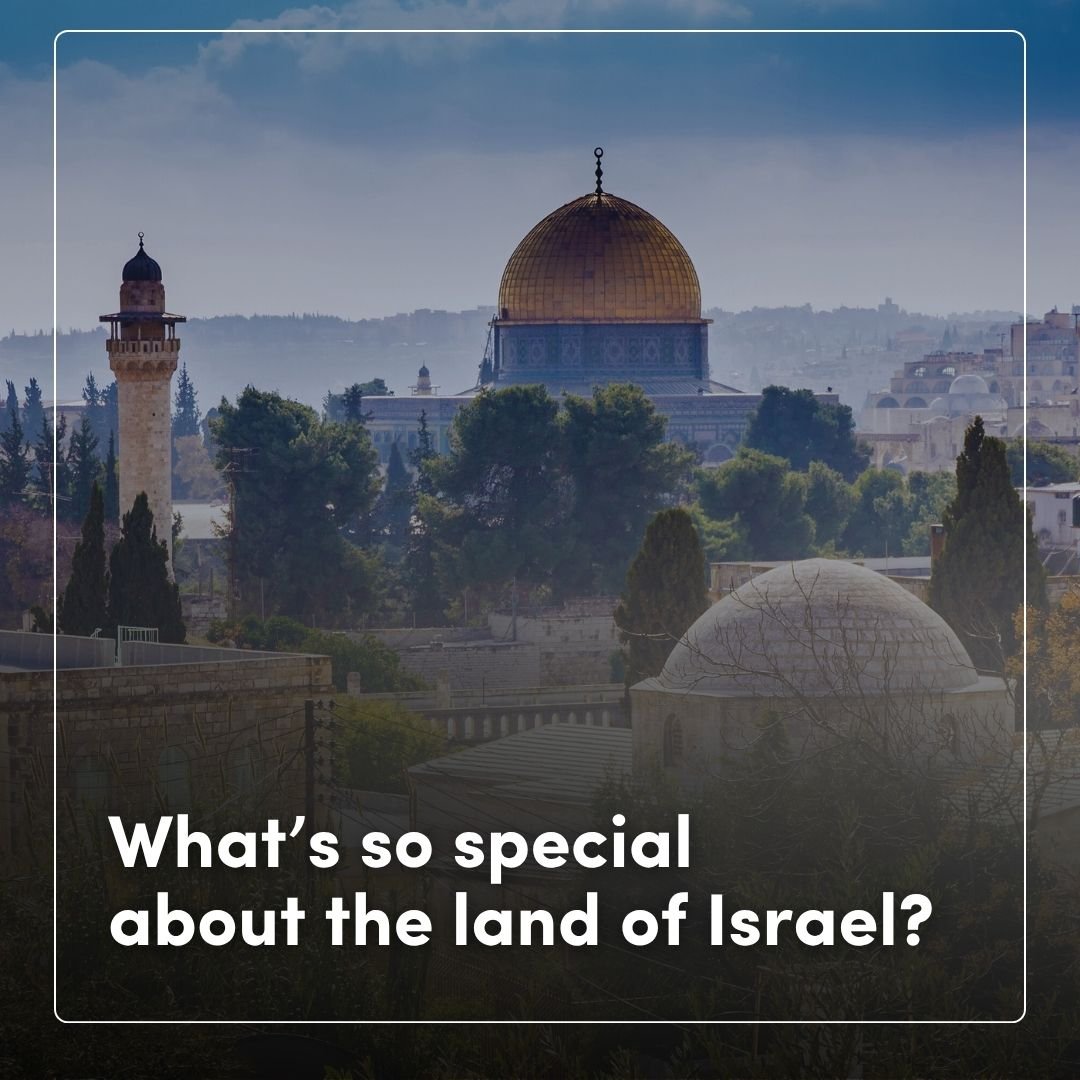
What’s so special about the land of Israel?
What’s so special about the land of Israel? In the midst of the Israel war with Iran and global conflict, this biblical study explores Naaman, sacred geography, and why God says His eyes are always on this land (Deuteronomy 11). Discover the spiritual, historical, and theological significance of Israel today.

Neither Jew nor Greek? How Galatians 3 Welcomes the Nations without Erasing Israel
For many Christians, Galatians 3 feels like the final word on Israel: if Gentiles are Abraham’s offspring by faith, doesn’t that end ethnic and national distinctions? Over time, this reading has drifted into a common assumption—sometimes called “replacement theology”—that the church simply takes Israel’s place. But reading Paul this way strains the story of Scripture and mutes the covenant character of God. The Bible does not pit God’s faithfulness to Israel against His mercy to the nations. It shows both flowing from the same promise.