

Who’s Who?
Houthis, Hezbollah, Hamas
The Fraying Threads of Iran’s Influence

✺ Listen to The Jewish Road Podcast ✺
What would it take to reopen a 2,000-year-old water system that's sat behind a line since Oslo?
That's the question behind the final episode of our Border series.
Fifteen minutes south of Jerusalem, in the town of Efrat, a group gathers that doesn't come together often: a Member of Knesset, IDF officers, a rabbi, the mayor, a filmmaker - pulled together in under 48 hours to walk into Solomon's Pools.
Together, we trace the pools back to the Book of Ruth, stand where an Iranian missile struck just over a mile away, and hear how a mapping decision during Oslo quietly put a biblical landmark out of reach.
The conversation moves from Bethlehem's disappearing Christian community to a restoration vision that could open this site back up - and to a Member of Knesset's case for why it matters now.
Beyond the border in Syria. Along the border in Gaza. Within the border, here in Efrat. This is the one that goes inside.
Most people know October 7th from news reports. But on the ground - at the Nova Music Festival, in kibbutzim, in bomb shelters 15 seconds from danger - the reality is far more personal and complicated.
We walked these sites with Mati, a kibbutz agricultural worker who has lived here since 1978 and witnessed October 7th from inside his home. Mati shares what it was like to be in the toilet when the alarm sounded, to receive a call that terrorists were shooting at Palestinian workers in his fields, to slowly understand - through Facebook posts and calls to friends - that something unprecedented was happening.
But beneath the immediate violence lies a deeper wound: an intelligence notebook found at Kibbutz Mefarsim revealing that Hamas had meticulously mapped every detail - where the doctor lived, the security chief's phone number, which gates had which locks, where the generators were.
That intelligence came from a trusted Palestinian worker who had lived on the kibbutz for 30 years. A man Mati knew well. A man Mati can no longer speak to.
The episode explores the layers of this betrayal and asks the question that haunts many: how do you rebuild trust after this?
Headlines tell you there's a war on Israel's borders. But they don't explain why it matters, who's fighting, or how 50 years of history shapes today.
Ilan Schulman - kibbutznik, IDF paratrooper, intelligence officer, and PhD scholar of Syrian cities - walks us through the real complexity.
Syria isn't one nation but ~200 tribes loyal to different interests.
Understanding jihadists requires reading the Quran, not just analyzing weapons.
The Ottomans' 500-year control of this region echoes in today's geopolitics.
Iran builds power through schools and hospitals, not just missiles.
And the 1973 Yom Kippur War - which nearly destroyed Israel - reshaped military philosophy that still drives strategy today.
Why would Jesus curse a fig tree for not bearing fruit out of season?
It's one of the most puzzling moments in the Gospels - until you understand the Jewish context.
Filmed from the Mount of Olives overlooking Jerusalem, we explore the prophetic significance of the fig tree, the meaning of Bethphage, and why Mark intentionally places the cleansing of the Temple between two scenes involving the tree.
Together, these events reveal a powerful message about authentic faith. The leafy fig tree becomes a symbol of religious appearance without spiritual substance, while Jesus' actions in the Temple expose a system full of activity but lacking the fruit God desired.
This episode will change the way you read one of Jesus' most misunderstood miracles and challenge every believer to ask: Are we bearing fruit, or simply growing leaves?
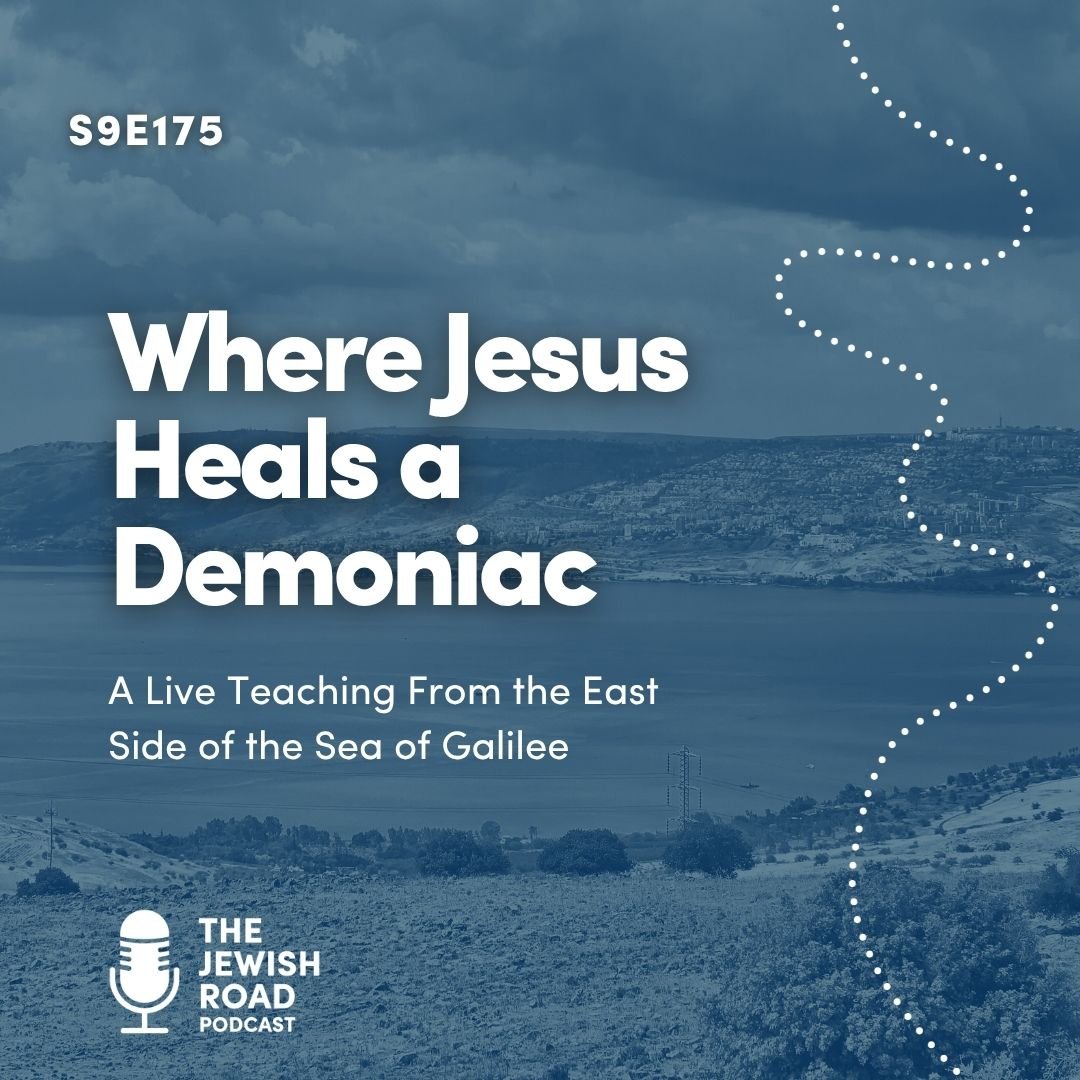
What did Jesus mean when He said, "Let's go to the other side"?
In this episode, filmed at the ancient Decapolis city of Susita overlooking the Sea of Galilee, we uncover the deeper significance behind one of Jesus' most familiar journeys.
What appears to be a simple boat ride becomes a powerful picture of God's mission reaching beyond Israel into the Gentile world.
Walking through Mark chapters 4 through 8, we revisit the healing of the Gerasene demoniac, the calming of the storm, and the feeding of both the 5,000 and the 4,000.
Together, these events reveal a remarkable pattern: Jesus wasn't only revealing His identity as Israel's Messiah - He was preparing the nations to receive Him.
This episode offers fresh insight into familiar passages and demonstrates how geography, Jewish culture, and biblical symbolism deepen our understanding of the Gospel.
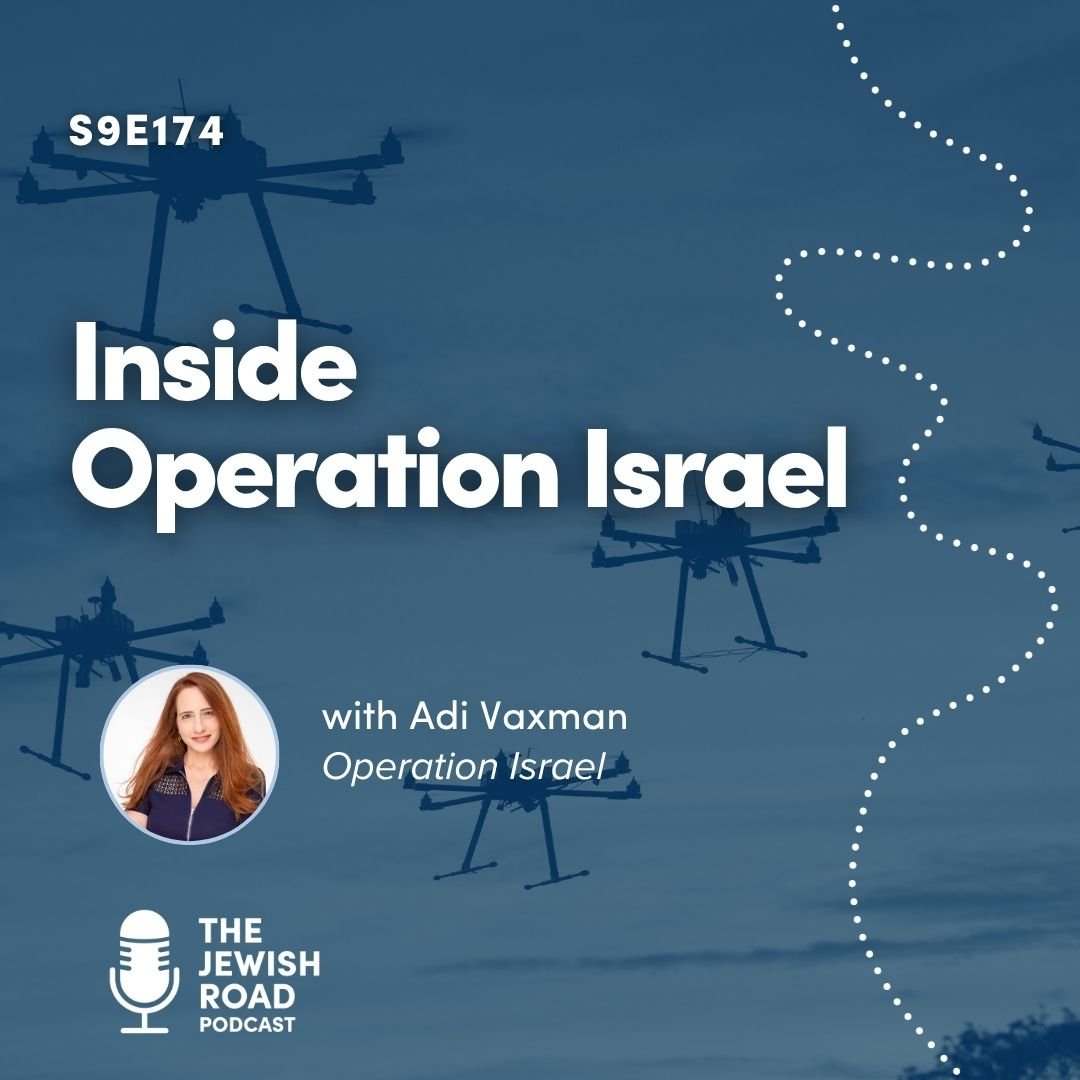
What do you do when your homeland is under attack and you're thousands of miles away?
In this powerful episode, Dr. Adi Vaxman recounts the unforgettable hours of October 7 and the overwhelming helplessness she experienced as family members entered combat, friends fought for their lives, and Israel faced one of the darkest days in its history.
Rather than remaining paralyzed, Adi turned heartbreak into action by founding Operation Israel.
What began with purchasing protective gear for soldiers has grown into an organization that has raised more than $11 million to fund medical equipment, drone defense technology, trauma recovery programs, and innovative battlefield solutions that are now influencing the IDF itself.
This conversation is a compelling reminder that while we can't all be on the front lines, every one of us has the opportunity - and responsibility - to do something.