

Episode 160 - Did Jesus Celebrate Hanukkah?
Most people think of Hanukkah as the “Jewish Christmas,” a cultural celebration with candles, dreidels, and chocolate coins. But the real story is far older, far weightier, and far more connected to the story of Jesus than many Christians realize.
Hanukkah is a story about attempted erasure, courageous resistance, and God’s unstoppable commitment to preserve His covenant promises.
In this episode, we walk through the rise of Antiochus, the Seleucid king who sought not only to dominate Israel but to erase its identity - banning circumcision, outlawing Torah, desecrating the Temple, and demanding assimilation.
Yet when the majority gave way to cultural pressure, a few refused to bow. The Maccabees stood when others surrendered, preserving the line through which Messiah would one day come.
And 150 years later, during this very feast, Jesus walked in the Temple and declared Himself the Light of the World. The same God who preserved His people through the few stands faithful today.
Hanukkah isn’t merely history; it is a lens for understanding the spiritual battles of our own moment and the hope of the King who will come again.

Episode 120 - Hanukkah: From Darkness to Light
What if Hanukkah had never happened? Without this critical moment in Jewish history, the preservation of God’s covenant people—and the birth of the Messiah—might not have occurred. Hanukkah tells the story of a miraculous victory against Antiochus IV, a tyrant who sought to erase Jewish faith and identity. Against all odds, a small band of Jewish rebels, the Maccabees, reclaimed the temple, restored worship, and ensured the survival of their people.

Episode 111 - Rituals and Reflections - What changed with Yom Kippur after the crucifixion, and why?
What if you waited your entire life, followed rituals painstakingly, prayed for atonement, but never really knew if you had been forgiven by God?
This is the reality for many in the Jewish community during Yom Kippur.
In this episode of The Jewish Road Podcast, we explore the Day of Atonement, looking into its significance for both Jews and Christians. We unpack the biblical roots of Yom Kippur, discuss its modern observance, and ask the critical question: if Jesus is the ultimate High Priest and the final atonement, what does that mean for us today?
Episode 94: 52 Sabbaths: Unwrapping The Gift Of God’s Rest with David Hoffbrand
In this episode, Ron and Matt Davis interview David Hoffbrand about his book, '52 Sabbaths: Unwrapping the Gift of God's Rest.' They discuss the importance of the Sabbath, its significance in the Bible, and its relevance in modern life. David explains that the Sabbath is not just about rest but also about restoring relationships and finding wholeness. He emphasizes the need to prioritize family and invest in faith and trust. The book provides 52 reflections on different aspects of the Sabbath, helping readers understand and apply its principles in their lives.

Episode 91: Why This Hanukkah Is Different…And The Same
In Episode 91 of The Jewish Road Podcast, titled "Why This Hanukkah Is Different...And The Same," we look into the essence of Hanukkah, connecting its historical roots to the present-day challenges facing the Jewish people.
Hanukkah began as a story of resistance against Antiochus IV, a ruler intent on eradicating Jewish identity and practices. This year, as we light the menorah, our reflections take on a deeper, more urgent tone. We find ourselves amid a continued conflict following the October 7 war, where the threat to Jewish existence is ever-present, this time posed by a radical Islamist group, Hamas, a recognized terrorist organization.
What makes this Hanukkah different isn't the nature of the threat -historically, the Jewish people have faced numerous existential threats -but its global reach. The shadows of hatred and violence extend beyond Israel, seeping into streets and campuses worldwide, affecting Jews in every corner of the globe.
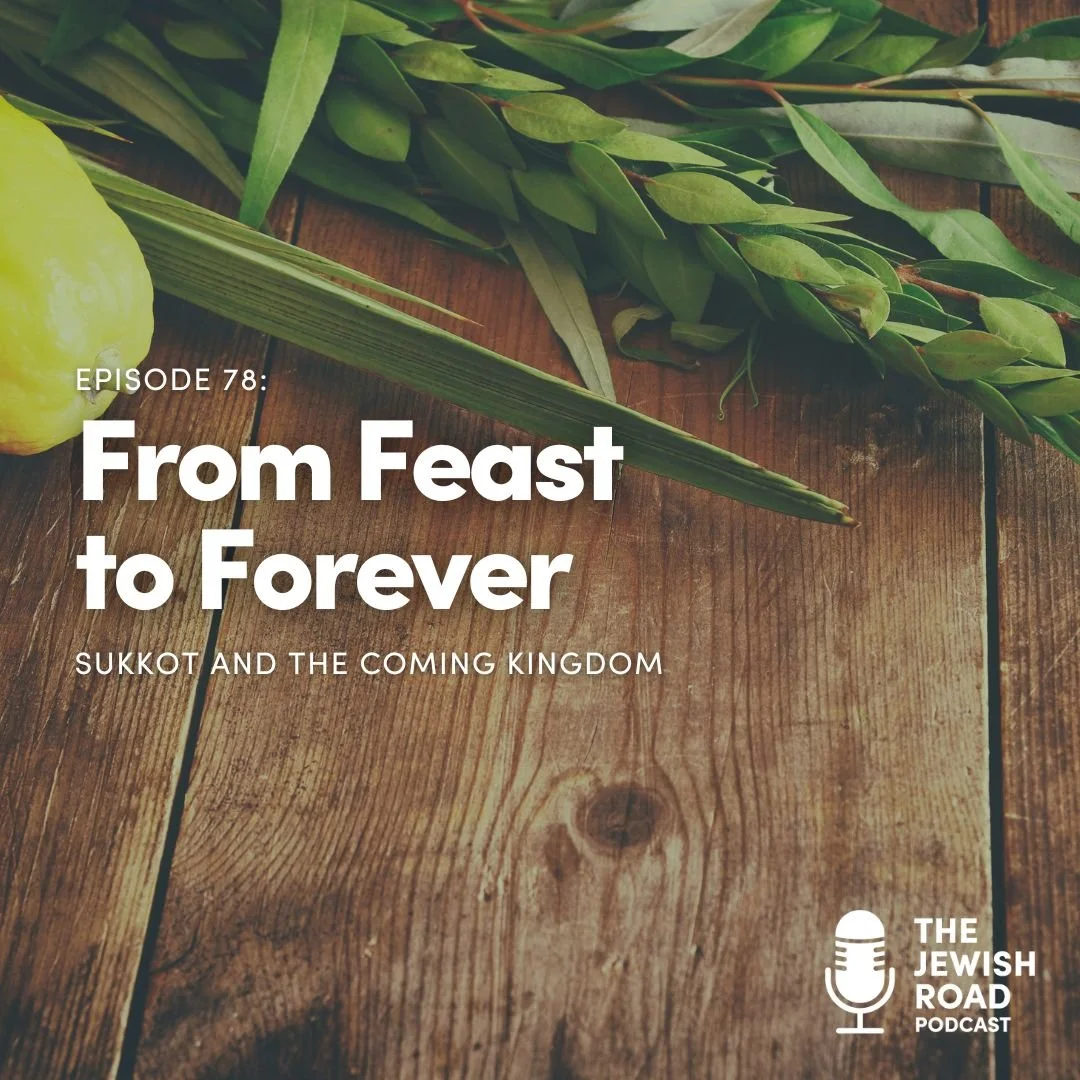
Episode 78: From Feast To Forever: Sukkot
Explore the profound significance of Sukkot, the Feast of Tabernacles, as it connects to God’s desire to dwell with His people from Eden to future prophecies. Uncover the historical, theological, and future implications of this ancient festival in this eye-opening episode.

Episode 77: The Scapegoat That Became The G.O.A.T.
Here we are, at the peak of the Ten Days of Awe, Yom Kippur. It's the Day of Atonement, a time when many Jewish people fast, pray, and attend synagogue services. This solemn day carries enormous significance. It's not just a day to say sorry, but to truly reflect on one's actions and seek genuine atonement. While the weight of the day is profoundly felt in Jewish communities, it also offers an extraordinary moment for us as followers of Jesus to recognize Him as our ultimate atonement.
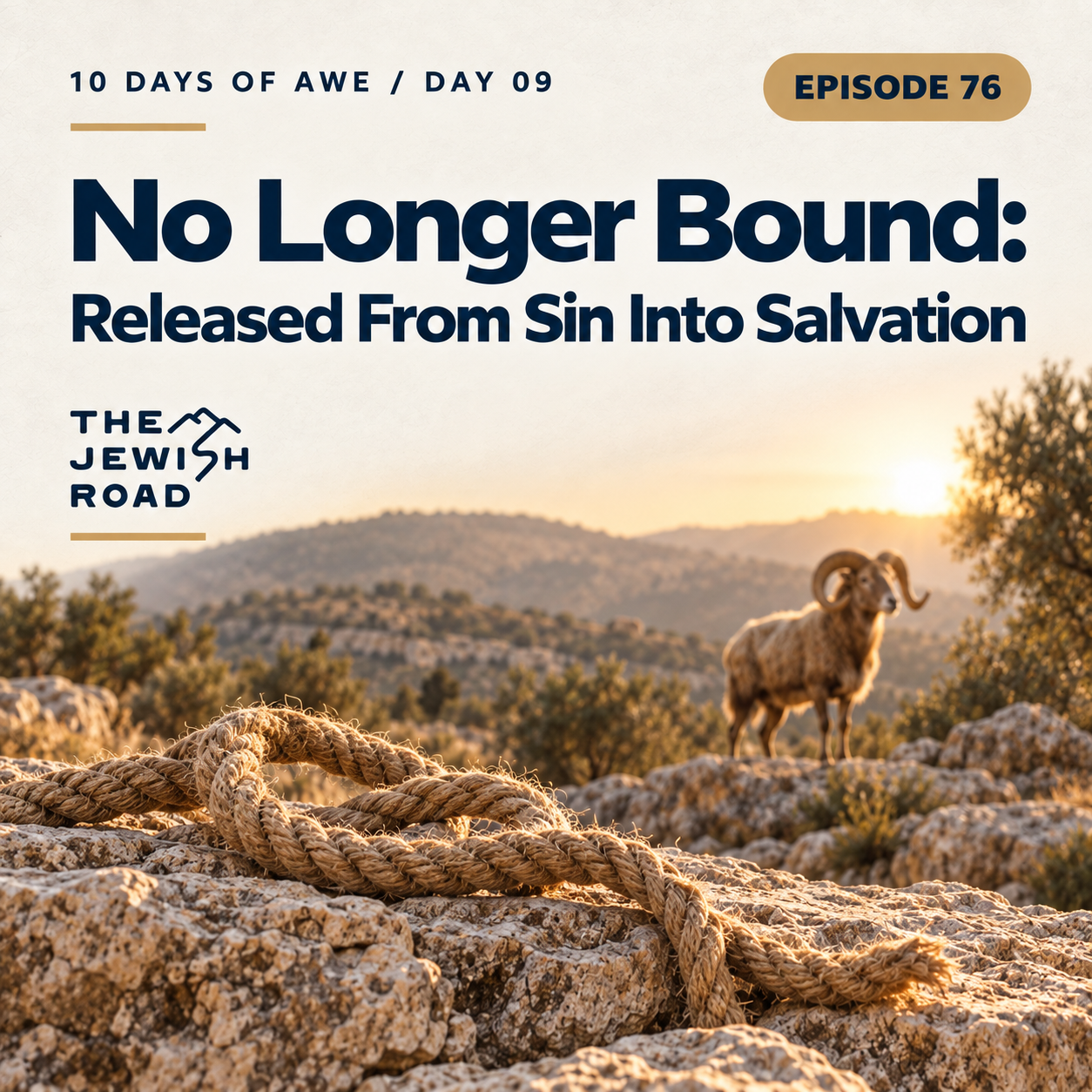
Episode 76: No Longer Bound: Released From Sin Into Salvation
The human soul seems hardwired to long for atonement—a strong, sometimes desperate, desire for forgiveness and release. This is a sentiment that echoes across cultures and religious practices, revealing a shared yearning to be set right with God. As we delve into Day 9, we find in the story of the Akedah a vivid representation of how far God was willing to go to grant us that atonement. "God will provide for himself the lamb for a burnt offering, my son," Abraham tells Isaac, echoing a promise fulfilled through Jesus (Genesis 22:8). Akedah literally means, “The Binding,” and recounts the story of Abraham taking his “one and only son” Isaac to the top of Moriah to sacrifice him.
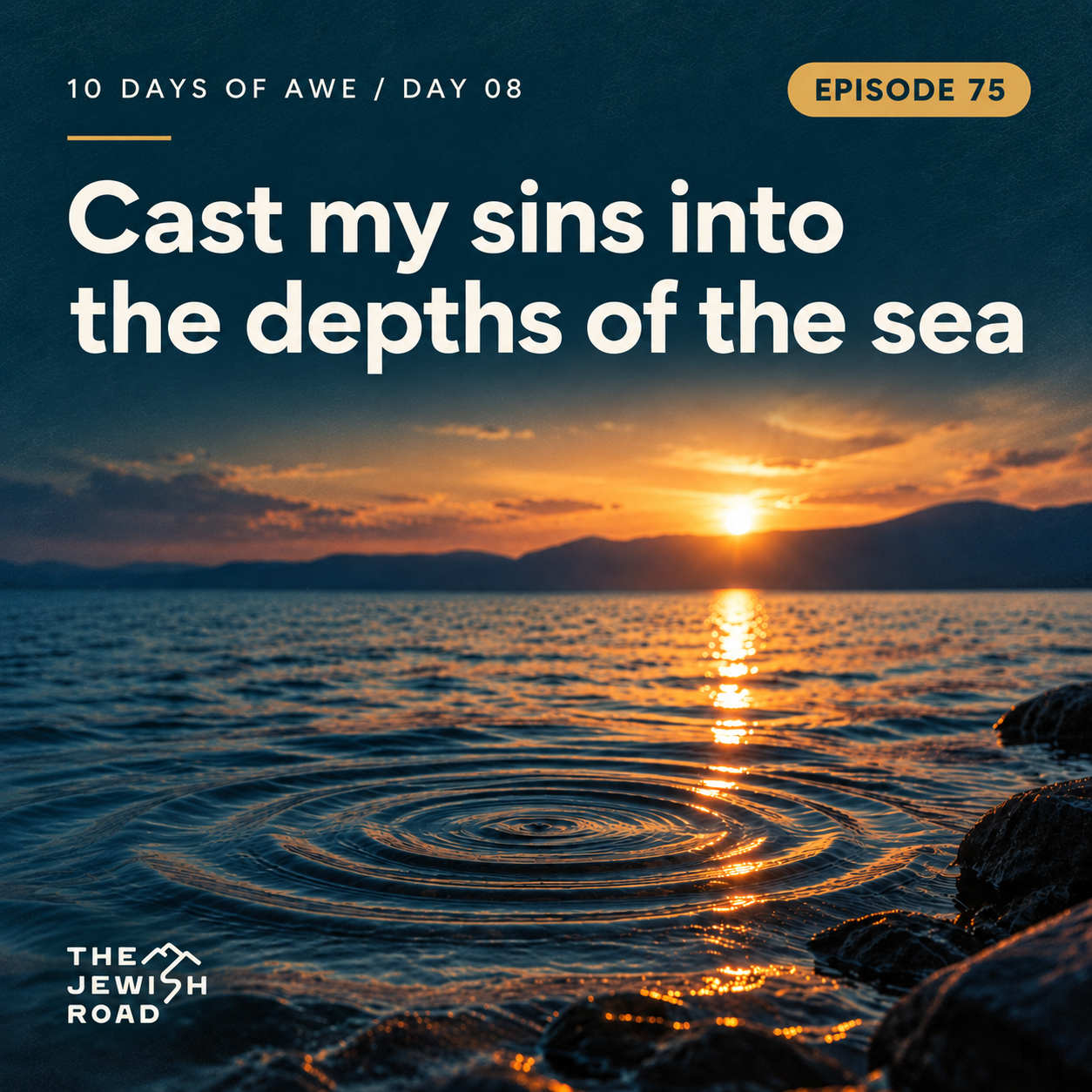
Episode 75: Cast My Sins Into The Depths Of The Sea
There is the practice of Tashlich, a deeply symbolic ceremony that resonates with believers of all backgrounds. As the sun sets and the day comes to an end, many Jewish people flock to rivers and streams, emptying their pockets or throwing pieces of bread into the water. This simple yet powerful act serves as a physical embodiment of letting go, a casting away of sins and burdens. For Christians, it's hard not to think of the ultimate sacrifice of Jesus, the Messiah, who makes it possible to truly cast our sins "as far as the east is from the west."
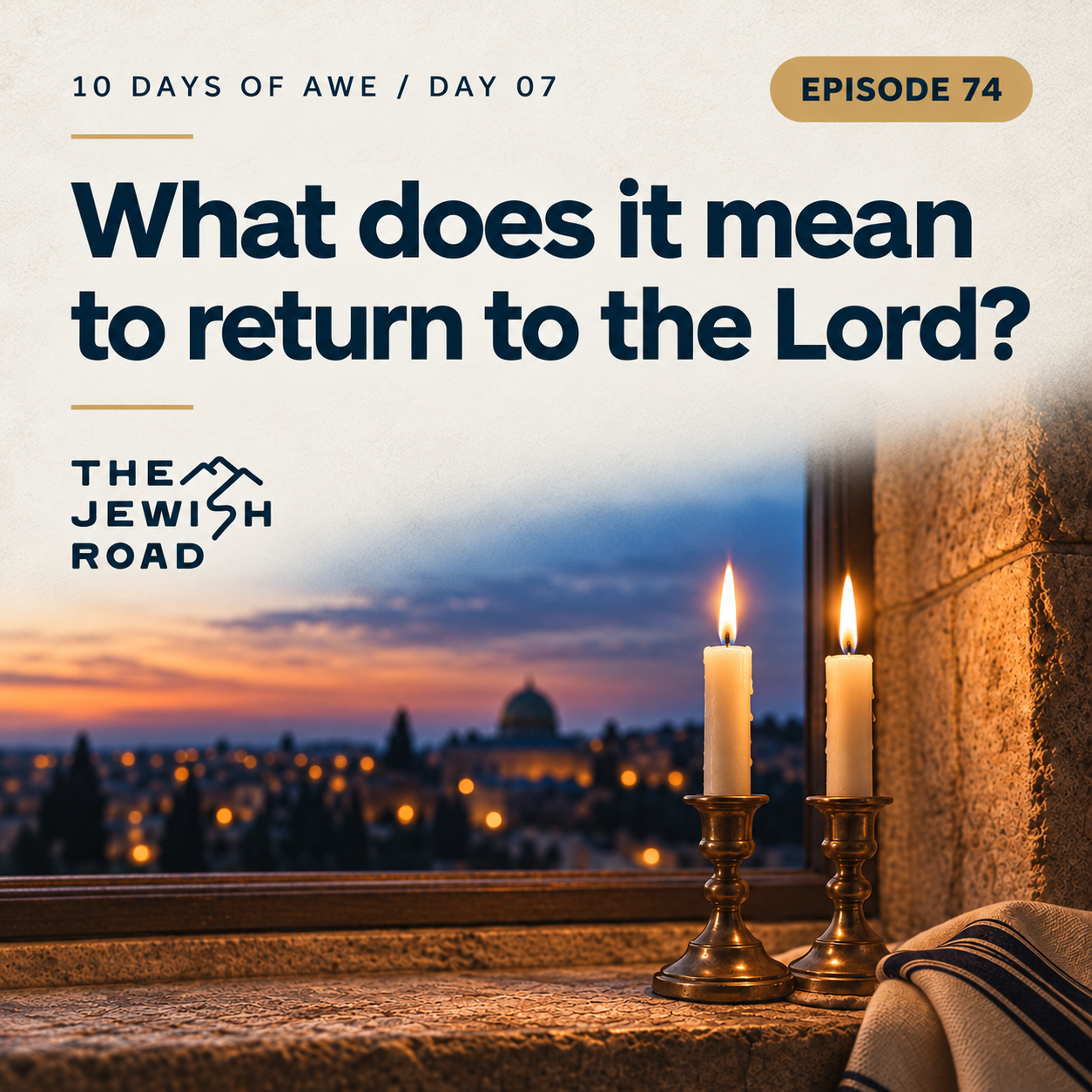
Episode 74: What Does It Mean To Return To The Lord? (Shabbat Shuvah)
Central to the Days of Awe is what we call Shabbat Shuvah, or the "Sabbath of Return." Situated between Rosh Hashanah and Yom Kippur, this Shabbat holds a special significance. It serves as a momentary pause, a sacred interval for personal and communal reflection. In a season filled with introspection and repentance, Shabbat Shuvah invites us to come home - to return to the Lord with all our hearts. For Christians, this idea of "returning" finds its full expression in the grace and redemption offered through Jesus, our Messiah.
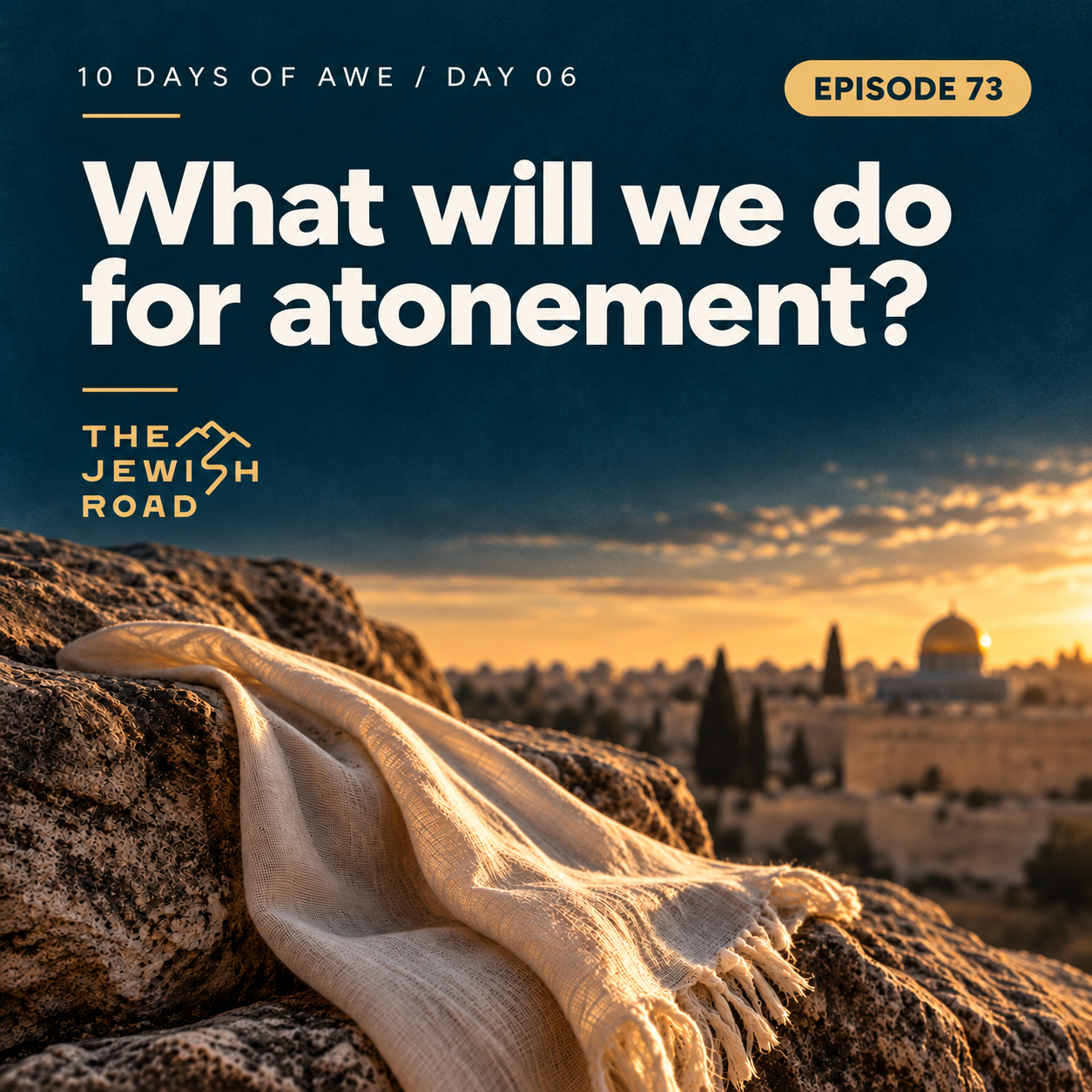
Episode 73: What Will We Do For Atonement?
The human soul carries a deep yearning for atonement. In cultures around the world and across the broad expanse of religious thought, rituals and traditions abound, highlighting the lengths we go to find relief from the weight of our mistakes and misdeeds. The Jewish people are no different. As followers of Jesus, we know that our atonement not only covered our sins once for the next year, but also forgave our sins once and for all.
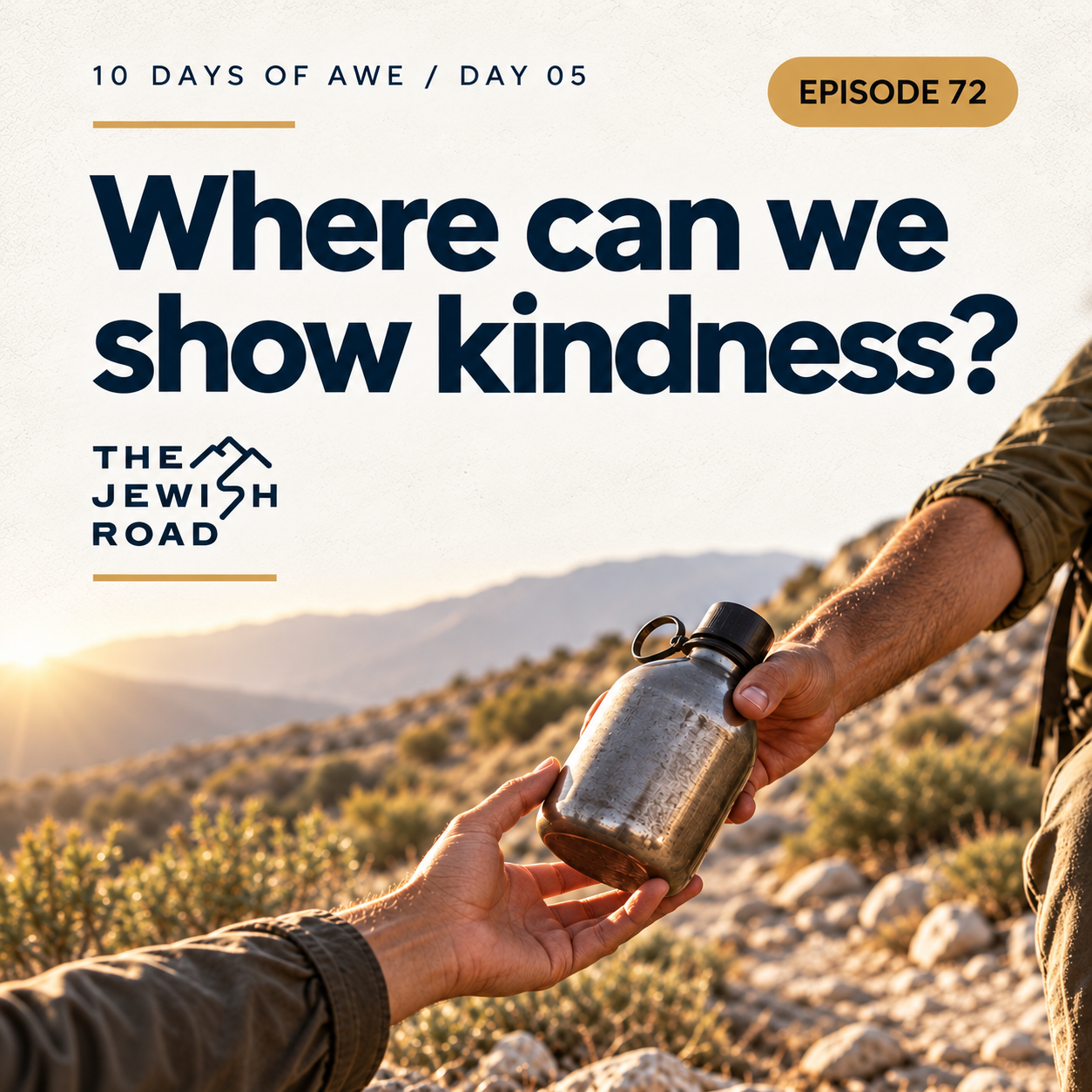
Episode 72: Where Can We Show Kindness?
The concept of Tzedakah, often translated as “charity,” but more accurately understood as righteousness or justice. Giving isn't merely a charitable endeavor, but an ethical obligation. For Christians, this resonates deeply with the New Testament teachings on almsgiving and love for neighbor. Here, the idea of 'faith without works is dead' rings loud and clear.
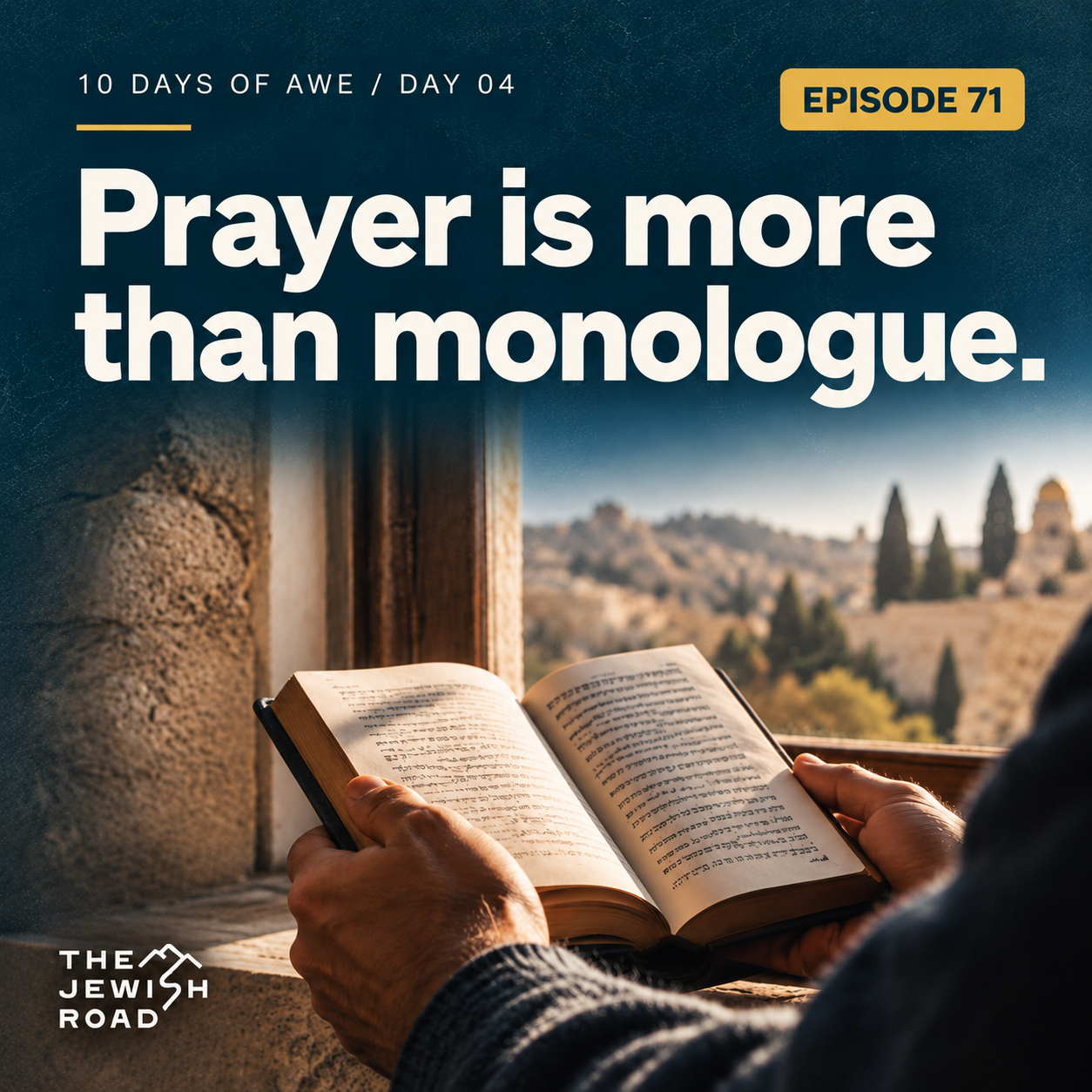
Episode 71: Prayer Is More Than Monologue
These Days of Awe invite us into the heart of prayer, or Tefillah, in Hebrew. Prayer is a universal act, a meeting place between the human and the divine, and during these days, it takes on an even more profound significance. Tefilah is less about asking God for what we need, and more about aligning ourselves with God’s will. For Christians, the idea of interceding with Jesus as our mediator adds a layer of grace to this sacred time.
Episode 70: What Does Real Repentance Look Like?
Let’s look into the essence of Teshuvah, which in Hebrew means "returning" or "repentance." While the word "repentance" might conjure up images of regret and shame, Teshuvah is about turning toward something as much as it's about turning away from something else. It's about re-aligning ourselves with God. The month preceding the High Holy Days, known as Elul, is traditionally a time to begin this process of self-examination and repentance. It's like a warm-up for the spiritual marathon that lies ahead.
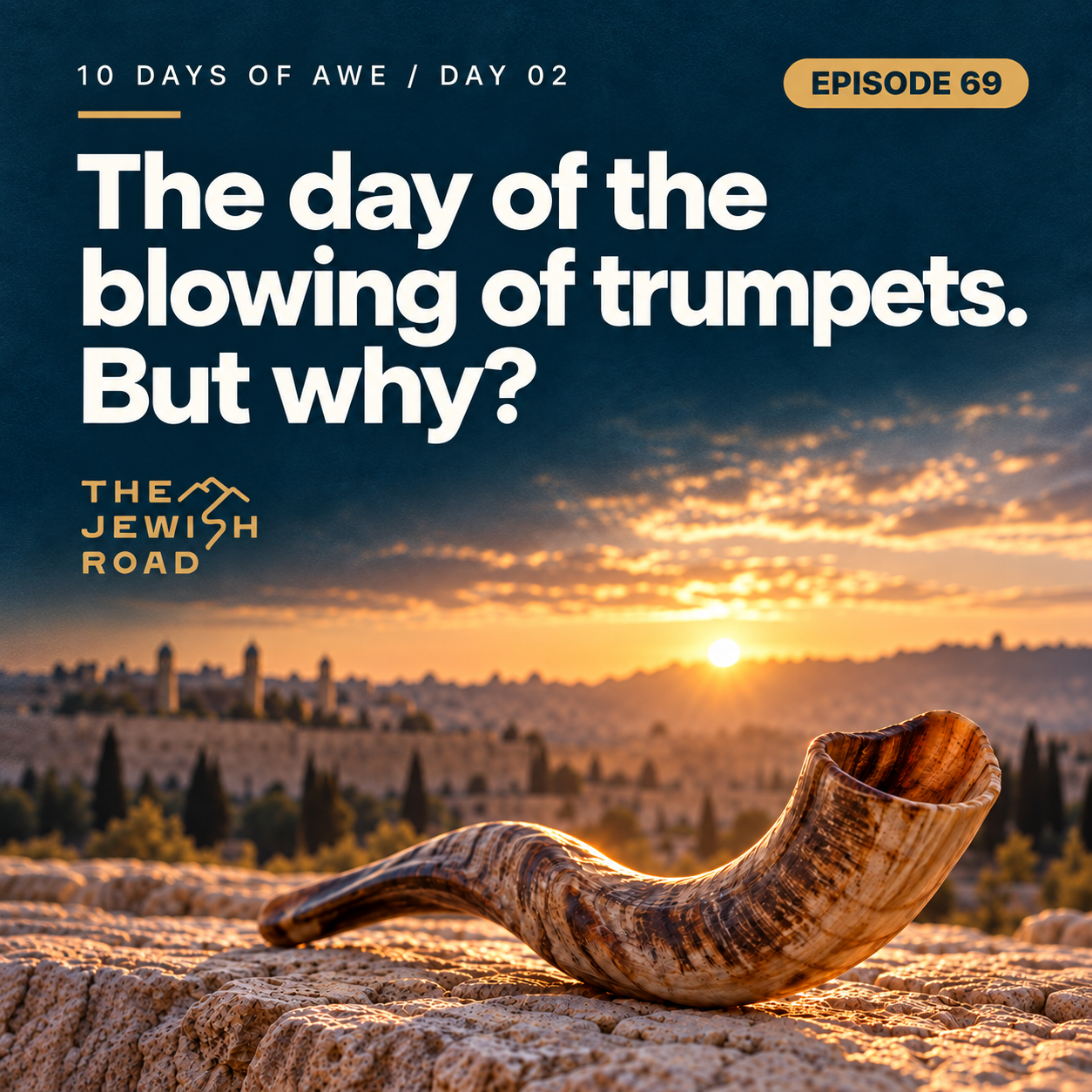
Episode 69: The Day Of The Blowing Of Trumpets
The sound of the shofar (ram’s horn) calls us to something extraordinary - Yom Teruah, commonly known as the Day of Trumpets. This isn't just any call; it's an announcement, a heralding of something majestic. The trumpet's sound penetrates the soul, reminding us to awaken from our spiritual slumber. For Christians, the trumpets hold a dual meaning: they remind us of God's sovereignty and offer a glimpse into future prophetic events, like the return of Jesus.
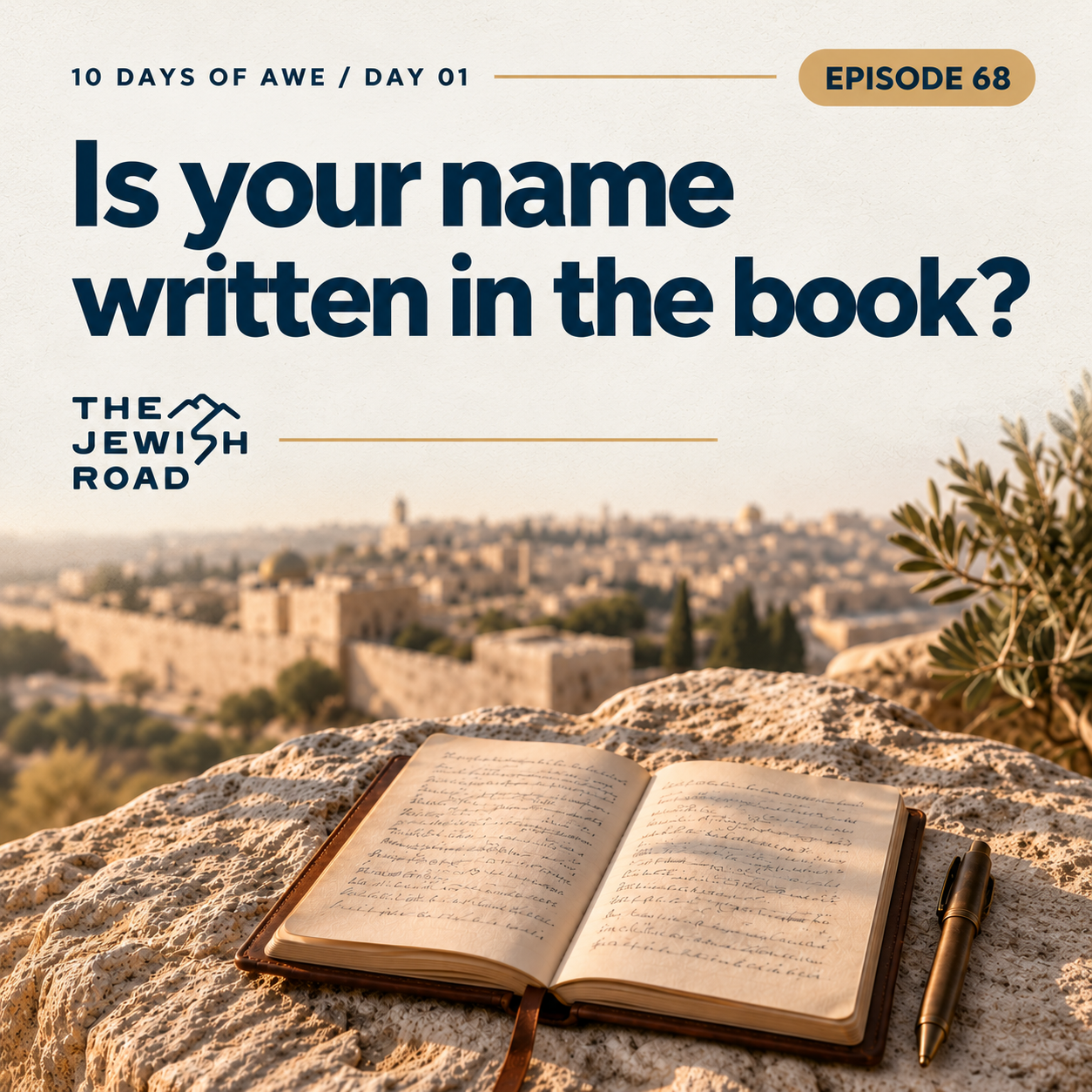
Episode 68: Is Your Name Written In The Book?
As the Days of Awe kick off, we find ourselves on the cusp of a deeply spiritual journey. It's a time to pause and reflect, to account for the year that's been and prepare for the one that's coming. The Jewish tradition teaches that during these Ten days, three books are opened in the heavenly courts: the Book of Life, the Book of Death, and the Book of the In-Between. Each person's fate for the coming year will be inscribed in one of these books based on their deeds. While this may sound intimidating, it's also a beautiful reminder that our actions have consequences - both in this world and the next.
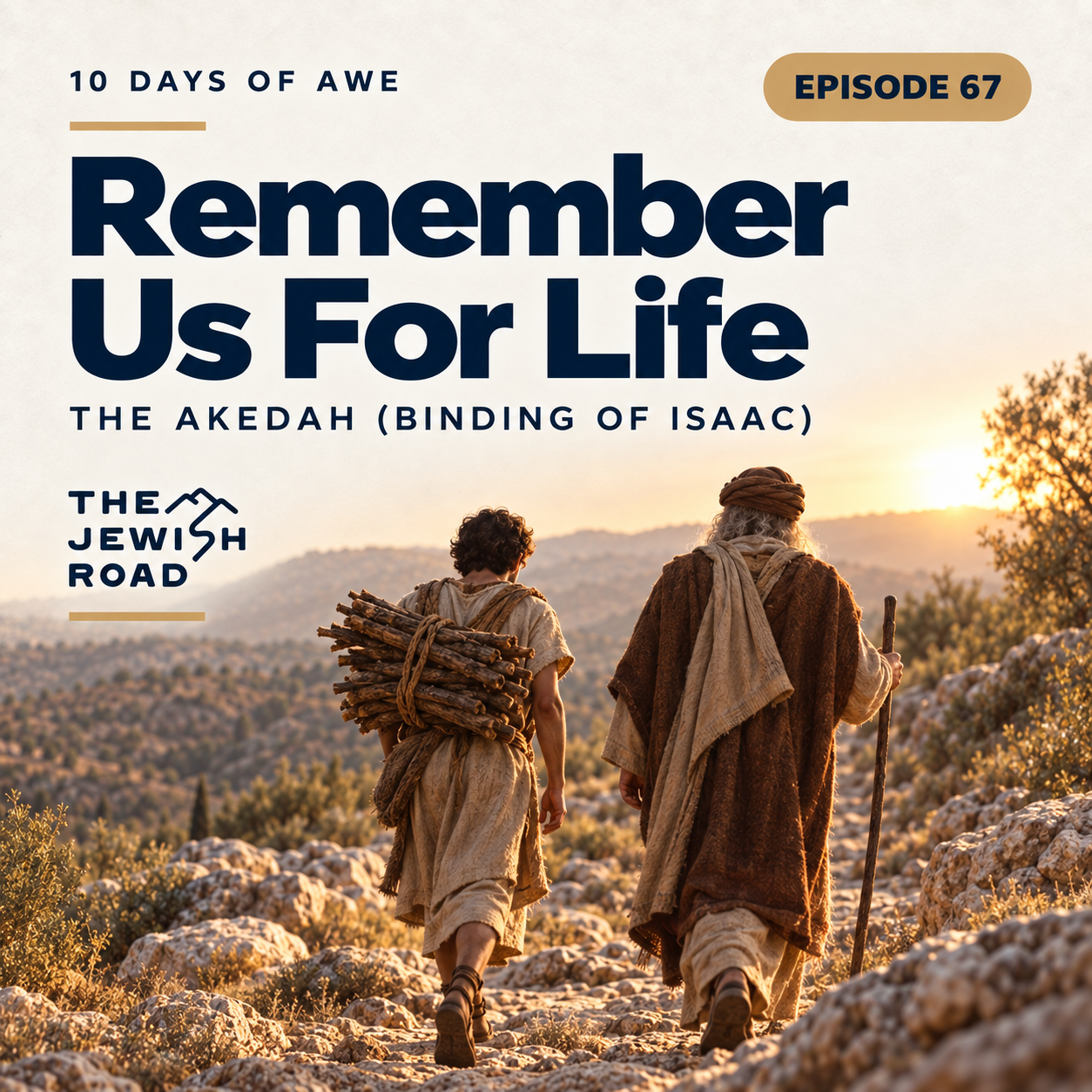
Episode 67: Remember Us For Life - The Akedah
The human soul seems hardwired to long for atonement—a strong, sometimes desperate, desire for forgiveness and release. This is a sentiment that echoes across cultures and religious practices, revealing a shared yearning to be set right with God. As we delve into Day 9, we find in the story of the Akedah a vivid representation of how far God was willing to go to grant us that atonement. "God will provide for himself the lamb for a burnt offering, my son," Abraham tells Isaac, echoing a promise fulfilled through Jesus (Genesis 22:8). Akedah literally means, “The Binding,” and recounts the story of Abraham taking his “one and only son” Isaac to the top of Moriah to sacrifice him.
Episode 66: Why Christians Should Care About The Jewish High Holy Days
Ever been on a hunt for your glasses just to find them perched on your head? Or searched for your phone while you're actually holding it? Sometimes the things we're looking for are right in front of us, hidden in plain sight. We wrote this guide with our Christian friends in mind for that very reason. You might think that the upcoming Jewish High Holy Days aren't for you, that they're exclusively a 'Jewish thing.' We get it, but hear us out. We're not saying you're wrong for thinking that way, but we do believe you're missing out on something truly transformative. We invite you to take a closer look, to consider the deeper connections, and to broaden your understanding of faith by acknowledging its roots. So stay with us; you might just discover something you never knew you were missing.

Episode 65: Faith In The Midst Of Fear
In Episode #65 of The Jewish Road Podcast, titled "Faith In The Midst Of Fear," we explore the timeless story of David vs. Goliath, focusing not on the characters but on what David knew about God's character. This episode offers encouragement and insights for those facing fear, anxiety, or seemingly insurmountable obstacles, reminding listeners that both faith and fear demand fulfillment. Tune in to discover how your story, like David's, is ultimately a story about God.

Episode 63: Merging Mourning With Hope
Did you know that both the First and Second Temples in Jerusalem - central to Jewish faith and history - were destroyed on the exact same day, centuries apart? It's as if time stood still to mark a profound period of loss and mourning for the Jewish people.
To put this in perspective, imagine if another event of the magnitude of September 11th happened again on the same date, but centuries later. The sheer coincidence would be staggering, wouldn't it? This is the reality of Tisha B'Av, a day of deep mourning in Judaism.
But Tisha B'Av is not just about the past, it's also about resilience and hope for a better future.